
Squint Surgery (Strabismus Surgery)
OverView
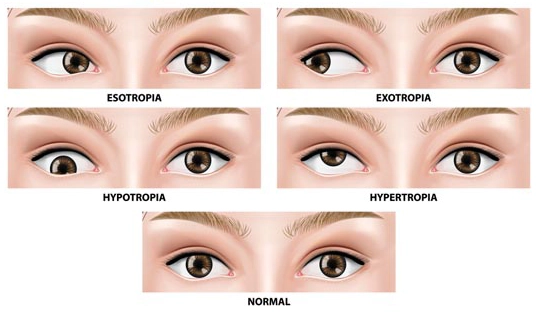
Squint surgery, also known as strabismus surgery, is a procedure performed to correct the misalignment of the eyes, a condition known as strabismus or “squint.” Strabismus occurs when the eyes do not properly align with each other when looking at an object. This misalignment can result in one eye turning inwards, outwards, upwards, or downwards, leading to problems with depth perception and binocular vision.
What is Strabismus?
Strabismus is a condition where the eyes do not point in the same direction simultaneously. It can be constant or intermittent and may affect one or both eyes. The condition can develop in childhood or later in life due to various factors, including:
Congenital Strabismus:
- Present at birth or developing in early childhood.
Acquired Strabismus:
- Can occur later due to neurological conditions, trauma, or other eye disorders.
The misalignment can be:
Esotropia:
- Inward turning of the eye.
Exotropia:
- Outward turning of the eye.
Hypertropia:
- Upward turning of the eye.
Hypotropia:
- Downward turning of the eye.
Strabismus can lead to amblyopia (lazy eye) if left untreated, where the brain starts to ignore signals from the misaligned eye, resulting in reduced vision in that eye.
When is Squint Surgery Needed?
Squint surgery is typically recommended when:
Non-Surgical Treatments Fail:
- These may include glasses, prism lenses, eye patches, or vision therapy.
Significant Misalignment:
- The misalignment is severe enough to cause visual discomfort, double vision (diplopia), or cosmetic concerns.
Amblyopia Risk:
- The misalignment threatens to cause or has already caused amblyopia.
Binocular Vision:
- Surgery may be required to improve depth perception and the ability to use both eyes together.
The Squint Surgery Procedure
Squint surgery involves adjusting the muscles that control eye movement to correct the alignment of the eyes. The surgery is usually performed on an outpatient basis and under general anesthesia for children or local anesthesia for adults.
Pre-Surgical Assessment:
Eye Examination:
- A thorough eye examination is conducted to assess the degree and type of strabismus.
Measurement of Deviation:
- The degree of eye misalignment is measured using prisms or other techniques to plan the surgery.
Medical History:
- The surgeon reviews the patient's medical history, including any previous eye surgeries, and discusses the risks and benefits of the procedure.
The Surgery:
Incision:
- A small incision is made in the conjunctiva (the clear tissue covering the white part of the eye) to access the eye muscles.
Muscle Adjustment:
– Resection:
- Strengthening the muscle by shortening it.
– Recession:
- Weakening the muscle by moving it backward on the eye.
– Plication:
- A less invasive procedure to fold the muscle and reduce its length.
Adjustable Sutures:
- In some cases, adjustable sutures are used, allowing the surgeon to fine-tune the alignment of the eyes after surgery while the patient is awake.
Closing the Incision:
- The incision is closed with dissolvable stitches or left to heal on its own, depending on the surgeon's technique.
Post-Surgery:
Eye Drops:
- Patients are prescribed antibiotic and anti-inflammatory eye drops to prevent infection and reduce inflammation.
Follow-Up:
- Regular follow-up visits are necessary to monitor healing and ensure the eyes are correctly aligned.
Recovery and Aftercare
Healing Time:
- Recovery is usually quick, with most patients returning to normal activities within a few days. Full healing and stabilization of eye alignment may take several weeks.
Temporary Side Effects:
- Some patients may experience redness, soreness, or double vision immediately after surgery, but these typically resolve as healing progresses.
Avoiding Strenuous Activities:
- Patients are advised to avoid swimming, heavy lifting, and vigorous exercise for a few weeks after surgery to prevent complications.
Glasses or Patching:
- In some cases, patients may still need to wear glasses, use prisms, or patch the stronger eye to strengthen the weaker one.
Risks and Complications
While squint surgery is generally safe and effective, there are potential risks and complications, including:
Overcorrection or Undercorrection:
- The eyes may still be slightly misaligned after surgery, which may require additional surgery or non-surgical treatments.
Infection:
- Rare but possible, it can be managed with antibiotics.
Scarring:
- Visible scarring is uncommon but possible.
Double Vision:
- Some patients may experience double vision after surgery, usually temporary as the brain adjusts to the new alignment.
Anesthesia Risks:
- As with any surgery, there are risks associated with anesthesia, particularly in young children or those with other health conditions.
Outcomes and Success Rates
Squint surgery has a high success rate in correcting eye alignment, particularly when combined with other treatments such as glasses or vision therapy. Many patients experience significant improvements in eye alignment and binocular vision, leading to enhanced depth perception and reduced visual discomfort.
Conclusion
Squint surgery is an effective treatment for correcting strabismus, improving both the functional and cosmetic outcomes for patients with misaligned eyes. With advancements in surgical techniques and the use of adjustable sutures, the procedure has become safer and more precise, leading to better outcomes. Early intervention is key to preventing complications such as amblyopia and ensuring the best possible results from surgery.

QUICK LINKS
USEFUL LINKS
SANKALP HOSPITALS PVT. LTD.
Vijay Smruti, Town Hall Circle, Jamnagar - 361 001 (Gujarat) INDIA
sankalphospitals@gmail.com
0288 2553435
© 2024 Sankalp Hospitals Pvt. Ltd.