
Intravitreal Injections
OverView
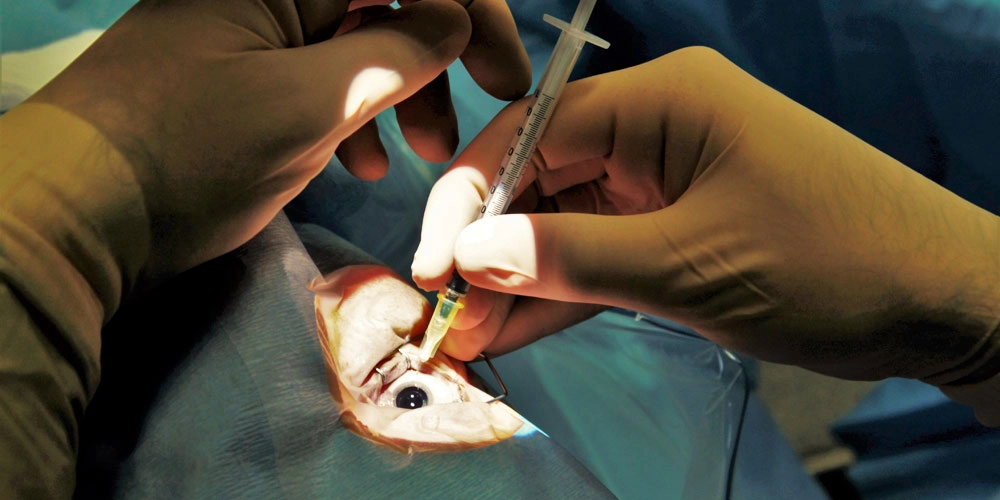
Intravitreal injections are a common and highly effective treatment method used to deliver medications directly into the vitreous humor of the eye, the gel-like substance that fills the space between the lens and the retina. This procedure is used to treat a variety of serious eye conditions, particularly those that involve the retina and the macula.
What are Intravitreal Injections?
An intravitreal injection involves administering medication directly into the vitreous cavity, allowing the drug to reach the retina and other internal structures of the eye in higher concentrations than would be possible with oral or topical treatments. The procedure is typically done in an outpatient setting under sterile conditions to minimize the risk of infection.
Conditions Treated with Intravitreal Injections
Intravitreal injections are used to treat several retinal diseases and other ocular conditions, including:
LASIK (Laser-Assisted In Situ Keratomileusis):
Age-Related Macular Degeneration (AMD):
- Particularly the "wet" form of AMD, where abnormal blood vessels grow under the retina, leading to leakage and scarring that can cause rapid vision loss.
- Medications Used: Anti-VEGF drugs like ranibizumab (Lucentis), bevacizumab (Avastin), and aflibercept (Eylea).
Diabetic Retinopathy:
- A complication of diabetes that affects the blood vessels of the retina, leading to leakage, swelling, and potentially vision loss.
- Medications Used: Anti-VEGF drugs, steroids like triamcinolone acetonide, or dexamethasone implants.
Retinal Vein Occlusion (RVO):
- Blockage of the veins that drain blood from the retina, causing swelling (macular edema) and vision impairment.
- Medications Used: Anti-VEGF drugs, steroids.
Uveitis:
- Inflammation of the uvea, which can involve the retina and lead to vision threatening complications.
- Medications Used: Steroids or immunosuppressive agents.
Cystoid Macular Edema:
- Swelling of the macula, often following cataract surgery or as part of other retinal diseases.
- Medications Used: Steroids, anti-VEGF drugs.
Infectious Endophthalmitis:
- A severe infection inside the eye that can occur after surgery, injury, or injection.
- Medications Used: Antibiotics or antifungals, depending on the cause of the infection.
The Intravitreal Injection Procedure
The procedure is generally quick and minimally uncomfortable, usually taking only a few minutes to perform.
Preparation:
Sterilization:
- The area around the eye is thoroughly cleaned with an antiseptic solution, such as povidone-iodine, to reduce the risk of infection.
Anesthesia:
- Local anesthesia, usually in the form of eye drops, is applied to numb the eye and minimize discomfort.
Positioning:
- The patient is usually seated in a reclining position, with the head supported.
The Injection:
Speculum Placement:
- A small device may be used to keep the eyelids open.
Injection Site:
- The injection is typically administered in the inferotemporal quadrant (lower outer part) of the eye, about 3-4 millimeters from the corneal limbus (the border between the cornea and the sclera).
Injection:
- Using a fine needle, the medication is injected into the vitreous cavity. The patient may feel slight pressure but typically no pain.
Post-Injection:
Antibiotic Drops:
- Sometimes, antibiotic eye drops are administered after the injection to prevent infection.
Monitoring:
- The patient is usually observed for a short time to ensure there are no immediate complications, such as increased intraocular pressure.
Post-Procedure Care
Vision Monitoring:
- Patients may notice floaters or a slight blurriness immediately after the injection, which typically resolves quickly.
Symptoms to Watch For:
- Patients should be instructed to contact their ophthalmologist immediately if they experience severe pain, vision loss, increased redness, or light sensitivity, as these could be signs of complications such as infection or retinal detachment.
Follow-Up:
- Regular follow-up appointments are necessary to monitor the condition and determine if additional injections are needed.
Risks and Complications
While intravitreal injections are generally safe, they do carry some risks, including:
Infection (Endophthalmitis):
- Though rare, this is a serious complication that can lead to vision loss if not promptly treated.
Retinal Detachment:
- The injection can cause the retina to peel away from the back of the eye, a condition that requires immediate surgical intervention.
Increased Intraocular Pressure:
- The injection can temporarily increase the pressure inside the eye, which may be dangerous for patients with glaucoma.
Cataract Formation:
- Repeated injections, particularly with steroid medications, can increase the risk of cataract development.
Bleeding:
- Minor bleeding at the injection site is possible but typically resolves without treatment.
Benefits of Intravitreal Injections
Targeted Treatment:
- Delivers medication directly to the site of the disease, allowing for higher concentrations and more effective treatment.
Slowing Disease Progression:
- In conditions like AMD and diabetic retinopathy, intravitreal injections can significantly slow the progression of disease and prevent further vision loss.
Minimal Systemic Side Effects:
- Since the medication is administered directly into the eye, there are fewer systemic side effects compared to oral or intravenous treatments.
Conclusion
Intravitreal injections have revolutionized the treatment of several serious eye conditions, offering patients a way to preserve and, in some cases, improve vision that might otherwise have been lost. While the procedure carries some risks, the benefits often outweigh these, particularly when early intervention can prevent irreversible damage. Regular monitoring and adherence to follow-up care are essential to ensuring the best outcomes for patients receiving intravitreal injections.

QUICK LINKS
USEFUL LINKS
SANKALP HOSPITALS PVT. LTD.
Vijay Smruti, Town Hall Circle, Jamnagar - 361 001 (Gujarat) INDIA
sankalphospitals@gmail.com
0288 2553435
© 2024 Sankalp Hospitals Pvt. Ltd.